Reading Cidade Líder’s Terrain: Where Blockages Tend to Concentrate
Walk down a street in Cidade Líder after a heavy rain and you will notice the same thing every season: the pavement dips near a corner, a drain grate sits slightly below the curb, and water pools there long after the storm has passed. That pattern is not random. The neighborhood’s geography, its mix of old and new construction, and the way its streets were laid out all push wastewater and storm runoff toward the same low points. If you live here, understanding that pattern helps you anticipate where problems start — and when it is time to call a desentupidora Cidade Líder before a small clog becomes a flooded garage.
Cidade Líder sits in the eastern part of São Paulo, in a region where the terrain rolls gently rather than sitting flat. That gentle slope is enough to concentrate water. Add decades of piecemeal construction, a busy commercial corridor, and a patchwork of residential streets, and you get a neighborhood where blockages tend to cluster in predictable places.
The Slope That Decides Where Water Goes
Most of Cidade Líder drains toward the lower streets that run east and north. On paper, that sounds efficient. In practice, a slope of just a few degrees means water moves slowly, carrying grease, sand, and debris with it. When the flow slows, solids settle. That is the first step in most blockages.
The steeper sections near the main avenues push water faster, but they also carry more grit into the pipes. That grit accumulates at the transition points — where a steep street meets a flatter one. If you live near one of those transitions, you probably already know the sound of a drain backing up during the rainy season.
Why the Lowest Point on the Block Matters
Every block has a low corner. It might be where two streets meet at a slight angle, or where a driveway ramp interrupts the curb. Water collects there, and so does everything the water carries. Over time, the pipe under that corner takes on more load than the pipes upstream. That is why a single corner can flood every year while the rest of the street stays dry.
If you are curious about the technical side of clearing those low-point clogs, a local desentupidora Cidade Líder São Paulo SP team can explain how hydrojetting differs from simple snaking — and why the choice matters on sloped streets.
Mixed Zoning and the Double Load on Local Pipes
Cidade Líder is not a purely residential neighborhood. Commercial buildings, small workshops, and restaurants share blocks with houses and apartment buildings. That mix puts two different kinds of load on the same underground network.
Residential pipes carry mostly greywater, toilet waste, and soap. Commercial pipes carry grease, food residue, and sometimes chemicals. When both feed into the same street collector, the grease from commercial kitchens can coat the inside of pipes that were sized for household use. Grease cools as it travels, sticks to the pipe wall, and narrows the passage. Once the passage narrows, the next heavy rain or the next large flush can trigger a backup.
The Older Street Layout
Many streets in Cidade Líder were laid out before modern drainage standards were common. That means narrower pipes, fewer inspection chambers, and sometimes shared connections between neighboring properties. In those older layouts, a blockage in one house can affect the whole row. This is one reason why a problem that seems local — a slow drain in a kitchen — can turn out to be a shared-line issue that needs a professional assessment.
It also explains why preventive maintenance pays off here. A desentupidora em Cidade Líder São Paulo SP can inspect the line before the rainy season and clear early buildup, which is far cheaper than dealing with a burst or a flooded ground floor.
Recurring Hotspots: Where Blockages Cluster
If you walk the neighborhood with an eye for terrain, you start to see the same types of spots repeating. These are the places where blockages tend to concentrate:
- Corners where two streets meet at a slight angle — water slows, solids settle, and the drain grate clogs first.
- Transitions between steep and flat sections — grit carried downhill drops out of suspension and accumulates.
- Blocks with a mix of restaurants and residences — grease from commercial kitchens meets household flow and coats the pipe.
- Older rows with shared connections — one blockage affects several homes at once.
- Low points near driveways and curb cuts — runoff concentrates where the curb is interrupted.
None of these spots is inherently broken. They are simply where the neighborhood’s terrain and layout put the most stress on the system. Knowing them helps you decide where to look first when water starts rising.
What Residents Can Watch For Between Storms
The best time to deal with a blockage is before it becomes visible. In Cidade Líder, that means paying attention to small signals during dry weather. A drain that gurgles when you run the washing machine, a floor drain that smells faintly of sewage, or a patch of pavement that stays damp longer than its neighbors — these are early warnings.
Another signal is recurring backup after rain. If the same corner floods every time, the pipe under it is probably already partly blocked. Clearing it during a dry spell is faster and less disruptive than waiting for an emergency call at night.
When to Call a Professional
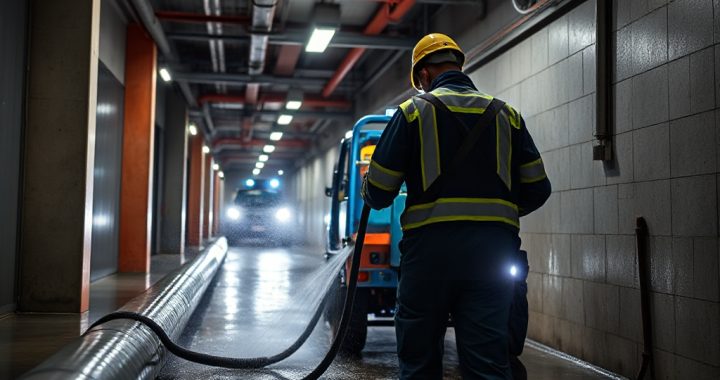
Some clogs can be handled with a plunger or a hand snake. But when the problem keeps returning, when multiple fixtures back up at once, or when water rises in a street drain, it is time for a professional assessment. A technician can camera-inspect the line, identify whether the issue is grease, roots, collapsed pipe, or a shared-line problem, and recommend the right method — snaking, hydrojetting, or excavation.
For emergencies, 24-hour service matters. A backup at 2 a.m. does not wait for business hours, and a fast response limits water damage to floors, walls, and stored belongings.
Prevention That Fits the Neighborhood
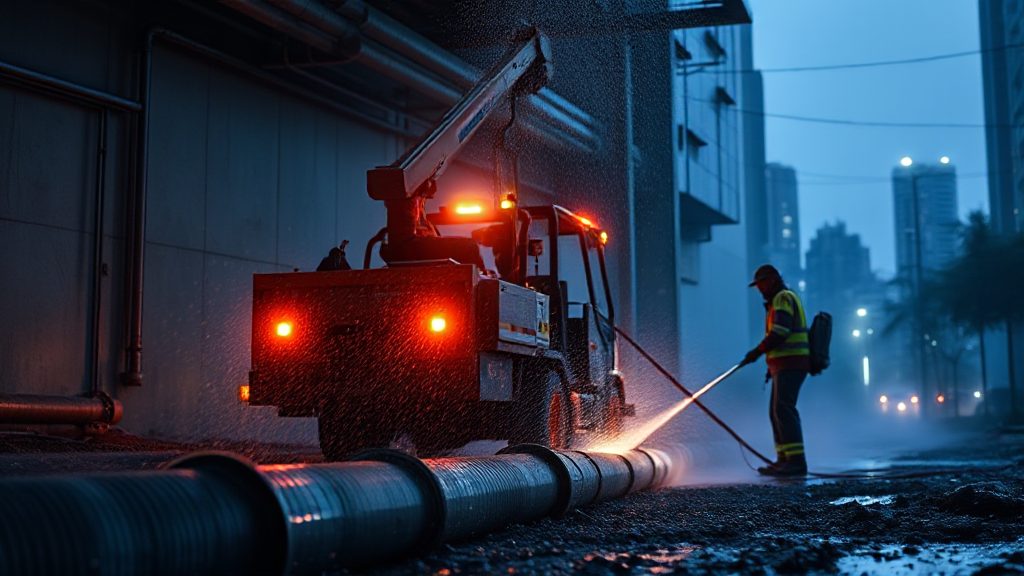
Prevention in Cidade Líder looks a little different from prevention in a flat, newly built suburb. Because the terrain concentrates flow, the pipes here benefit from periodic cleaning rather than one-time fixes. Scheduling a hydrojetting service before the rainy season clears grease and grit before they harden. Keeping grease out of kitchen drains and avoiding flushing wipes or heavy paper reduces the load on older lines.
For condominiums and commercial buildings, a maintenance plan that includes inspecting the shared collector line can prevent the kind of block that affects every unit on the block. It is a small investment compared with the cost of emergency repairs and water damage.
Walking home after the next storm, you will still see water pooling at that same low corner. But you will also know why it happens, where else to look, and what to do before the pool turns into a flood. That local knowledge is the most practical tool a resident can have.